



Stories
Emmanuel Raquin-Lorenzi
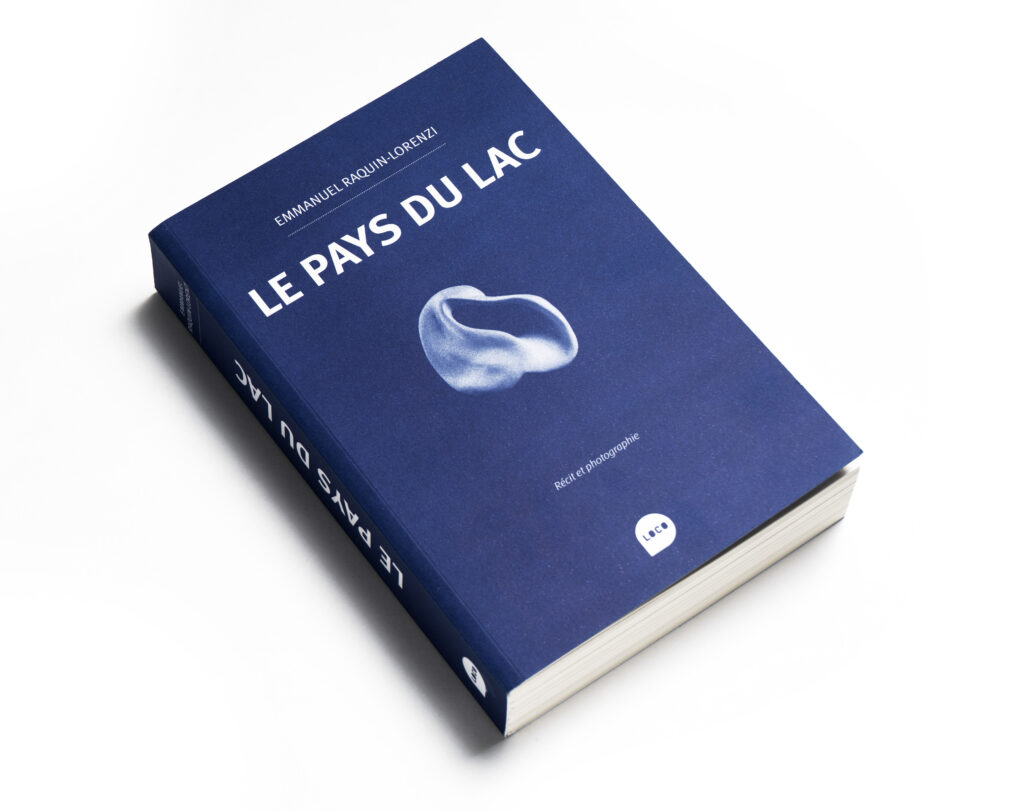
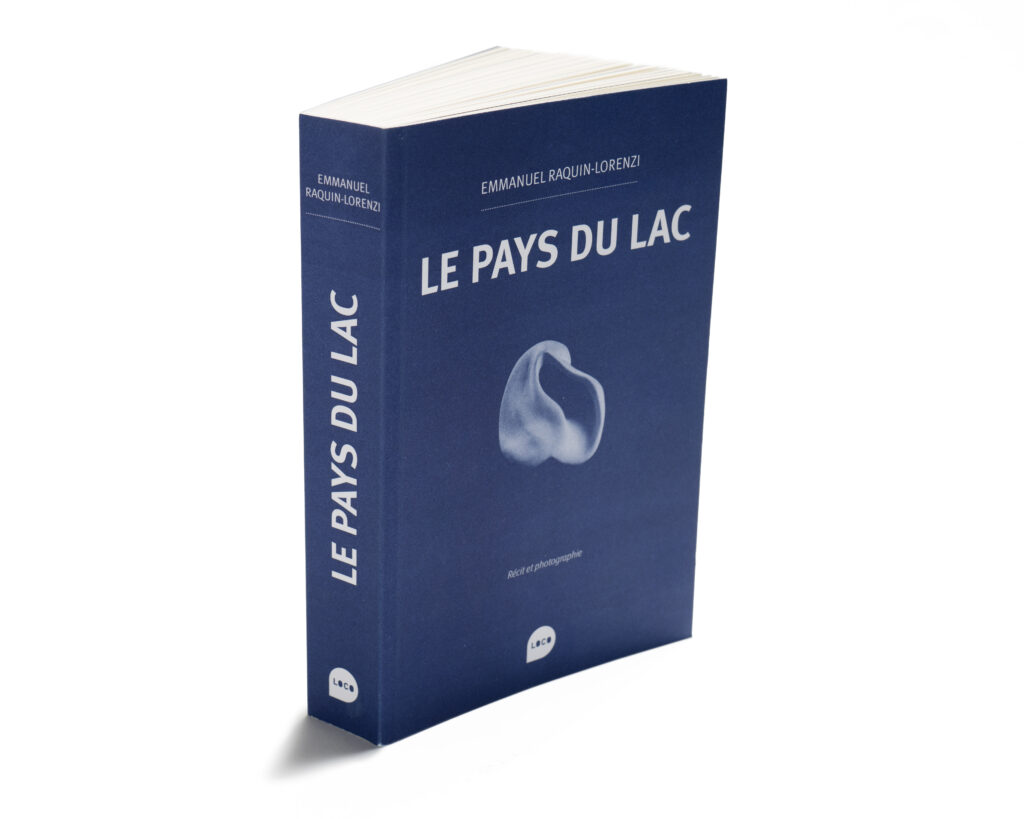
Guided by the memory of a woman with a snake’s body, glimpsed in the fall of 1976 in a shack at the Negreni fair (Transylvania), Emmanuel Raquin-Lorenzi sets out to explore the various forms of representation and expression found among the populations of the Three Cries basin (the Rapid, the Black, and the White), mountain rivers that border the Lake Country in the northwestern Romanian Carpathians.
An ethnographic field study conducted over more than twenty years allows the narrator to recount his gradual discovery of the thought processes specific to the mixed populations of this ancient country. At the end of the book, there is a small anthology of texts by writers from this strange country.
But upon closing the book, readers may no longer be able to distinguish between reality and a certain fiction. They may even wonder who Emmanuel Raquin-Lorenzi really is…
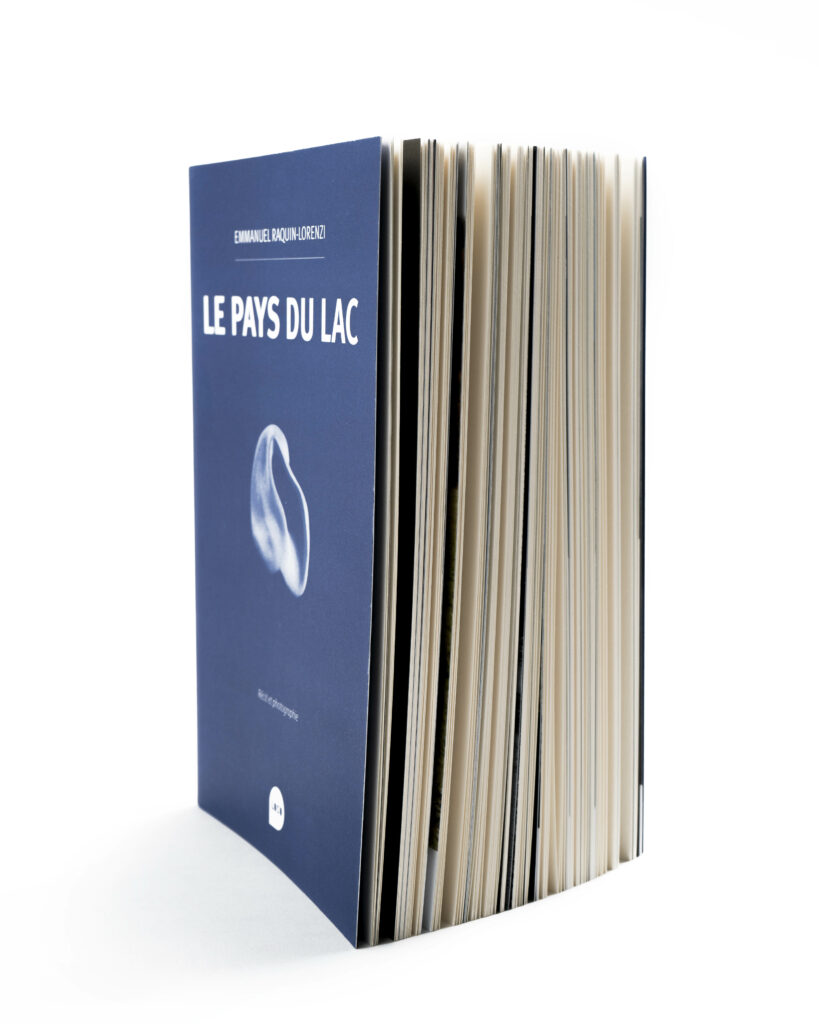
Le Pays du lac, 14 x 21 cm, 472 pages, 80 black and white + four-color reproductions, paperback. ISBN: 978-2-84314-005-1.
Graphic design: L’Atelier d’édition
Loin derrière moi laissées les lourdes tuyauteries qui enveloppent la route après la frontière roumaine, je glissais parmi les collines de Transylvanie, fraîches encore en ce printemps tardif de la mi-juin 1990, me souvenant de l’automne fracassant qui affrontait le grand ciel bleu quand j’étais venu la première fois, en 1976. J’avais été attiré aux confins du Bihor par la réputation, jusqu’en Hongrie, d’une très ancienne foire paysanne. Passé un col, la route bleue plongeait entre les forêts et les vieux monts adoucis où triomphaient alors de grands arbres d’un jaune éclatant, tandis que parmi les ocres et les bruns frémissaient des peupliers dorés, émus au moindre souffle. Parfois des prairies profondes creusaient la forêt au bord de la route, ou s’ouvraient loin dans le vert sombre des conifères au flanc des monts, semées de meules s’écroulant en postures étranges. Plus tard, dans la lumière du crépuscule, des femmes silencieuses attendaient, assises au bord de la chaussée à côté de tas rutilants de poivrons mafflus, de paprikas rouges enfilés en guirlandes roulées comme des câbles de navire, leurs genoux chargés de vives broderies transylvaines au point de croix, où revenaient des motifs anciens. Je me souvenais aussi d’un torrent clair, qui roulait de brillantes paillettes. Sur ses bords, dans la forêt, un bûcheron m’avait offert à boire de sa gourde une liqueur forte et âpre ; puis il y avait eu ce vaste hôtel vide, le soir, au col de Piatra Craiului, où erraient quelques serveurs ennuyés.