


Photography
Alex Troesch
In 1838, Georgetown University, a Jesuit institution in Maryland, was on the verge of bankruptcy. To resolve the situation, the Jesuits decided to sell more than 300 enslaved people who worked on their plantations to various landowners in Louisiana. Most of them are believed to have died along the way. But in 2015, a former Georgetown student began conducting genealogical research in Louisiana, tracing the history of former plantations and identifying more than 10,000 direct descendants.
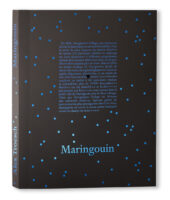
Maringouin explores questions of historical memory and justice in relation to Georgetown University’s controversial past, as well as the genealogical research undertaken to trace the descendants of the 314 enslaved people known as the GU272.
Through photographs, interviews, and archival research, photographer Alex Troesch portrays descendant communities in Louisiana, as well as students and historians at Georgetown University. His work seeks to bear witness to this painful history while confronting uncomfortable truths.
Maringouin contributes to the broader discussion surrounding racial inequality in the United States and Europe through an act of introspection: that of a European retracing the traces of a past whose legacy belongs to us all